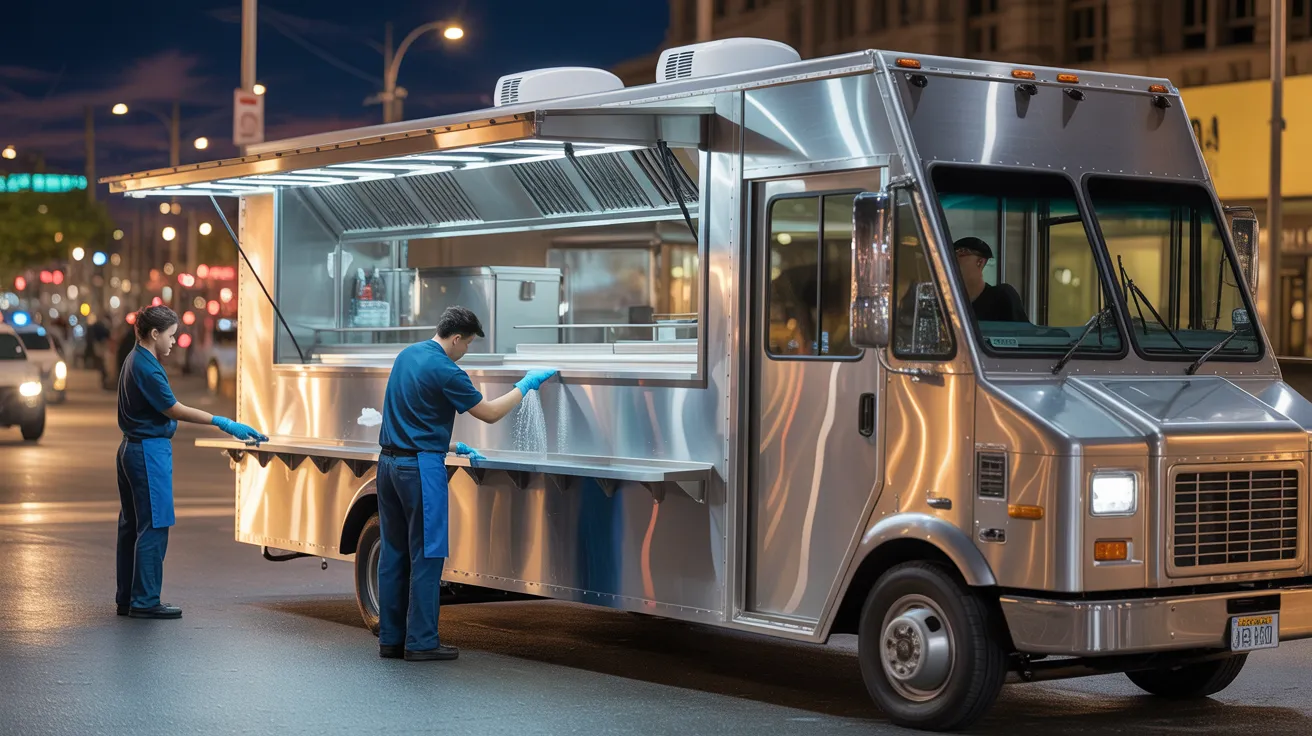
Brampton food hygiene and commercial cleaning experts help you keep restaurants, commissaries, baking facilities, warehouses, and food service vehicles sanitized to standards. They sanitize high-touch points, food preparation areas, equipment, floors, drains, restrooms, and food prep areas using approved chemicals, correct dilution, and verified exposure periods. in maintaining dining venues, food supply centers, baking operations, warehouses, and food service units in compliance. They sanitize frequently touched areas, food preparation zones, equipment, floors, drains, restrooms, and food handling zones with approved chemicals, proper dilution, and recorded contact times.
Essential Summary
- Sanitation specialists from Brampton service restaurants, grocery departments, commissaries, warehouses, bakeries, schools, mobile vendors, and allergen-sensitive operations.
- They disinfect high-touch surfaces, food-contact equipment, kitchens, floors, drains, restrooms, and storage areas using area-specific procedures to prevent cross-contamination.
- Checking of proper chemical concentration, appropriateness, and exposure duration is executed by certified contractors, with finalization recorded using tests, reviews, and remedial documentation.
- Hygiene plans must adhere to danger, throughput, transitions, incidents, and requirements, with daily, recurring, and cyclical tasks designated by location.
- Providers must possess HACCP, sanitation understanding, safety training training, protection, references, color-coded instruments, and assessment-ready maintenance files.
Which Brampton Establishments Need Food Safety Cleaning?
Food safety cleaning is required for any Brampton facility that processes, stores, prepares, packages, or serves food. Apply it to your operation if it comes under public health review, food regulations, or HACCP protocols. This includes dining establishments, break rooms, distribution centers, market departments, meat shops, fish areas, stores, and food prep kitchens.
Documented food safety measures is necessary in storage facilities, production centers, refrigerated warehouses, bakeries, school nutrition services, event spaces, and delivery hubs. Portable temporary ventures apply similarly, examples being catering trucks, festival vendors, and pop-up food booths. Your establishment needs written cleaning standards if your team work with ingredients, section ready-to-serve foods, heat finished items, or maintain allergen storage. In Brampton, cleanliness stays discretionary; it forms part of regulatory, business, and safety compliance.
Which Areas Do Brampton Cleaning Experts Cover?
Your facility requires professional cleaners who disinfect frequently contacted surfaces, kitchens, floors, and restrooms to maintain food safety compliance and public health standards. These zones receive attention due to their elevated cross-contamination potential, hazardous walking conditions, and breaches learn now of sanitation codes.
When you know their cleaning scope, you can ensure your operation's cleaning procedures satisfy operational and regulatory requirements.
High-Touch Surface Cleaning
develop a sterilization plan
validate effective sterilization
Kitchens, Floors, and Restrooms
Brampton cleaning professionals will handle kitchens, floors, and restrooms since each space presents separate hygiene concerns, slip-and-fall, and community health challenges. In industrial kitchens, you need grease removal from cooking stations, appliance surfaces, drain systems, preparation areas, and backsplashes to reduce contamination and pest pressure.
You should also expect documented flooring maintenance. is also provided as part of the service.
Restroom sanitation requires disinfecting touchpoints, fixtures, partitions, dispensers, and waste containers, restocking supplies and controlling odours. They also service restaurant moprooms, where chemical storage, sink hygiene, and drainage conditions can affect sanitation compliance and staff safety daily.
The Importance of Food Safety Cleaning in Brampton
To comply with regulatory mandates and pass inspections, Brampton establishments must maintain appropriate cleaning protocols. You also minimize cross-contamination by cleaning and sanitizing food-contact surfaces, equipment, and high-touch areas correctly. Most importantly, you safeguard public health by lowering the risk of foodborne illness in your facility.
Regulatory Code Requirements
Because Brampton food establishments operate under strict public health standards, food safety cleaning directly influences your ability to meet health code requirements, defend customers, and avoid enforcement action. You must maintain sanitized food contact points, documented cleaning schedules, correct sanitizer application, and auditable operational standards that meet municipal and provincial inspection expectations.
When cleaning standards slip, citations, remedial directives, loss of reputation, and service interruption from additional reviews or enforcement reviews become risks.
Cross-Contamination Prevention
Adhering to regulatory guidelines requires your skill in preventing cross-contamination throughout routine preparation and sanitation work. You need to separate raw ingredients from ready-to-eat foods, sanitize work stations after each task, and store cleaning supplies separately from food. Organized systems minimize contamination events and maintain ongoing regulatory adherence.
Building allergen isolation prevents key allergens from reaching common workstations, storage, or apparatus. Leverage separate cutting boards, colored implements, and precise instrument labeling so team members won't blend products in cooking or serving.Mandate hand cleaning following raw meat, seafood, eggs, or allergen-containing products. Refresh cleaning cloths frequently, and confirm sanitizer strength with test strips. When you train staff to follow these controls each shift, you foster a cleaner, more secure operation that meets Brampton's food safety expectations consistently.
Community Health Protection
When food safety cleaning fails, you don't just face inspection failure—you heighten the likelihood of food-related sickness impacting customers, staff, and the wider Brampton community. You also weaken your role in protecting public health, especially in busy food facilities where pathogens travel quickly through surfaces, equipment, and touchpoints.
You require sanitation systems that remove contaminants, disinfect appropriately, and confirm results. This involves maintaining contact periods, selecting approved disinfectants, logging schedules, and coaching employees to satisfy regulatory requirements. These measures prevent pathogen control by decreasing microbial counts before reaching surfaces or food. Throughout Brampton, effective sanitation protects vulnerable communities, minimizes disease potential, and demonstrates accountability. When you follow proper protocols, you exceed regulations—you mitigate risk and enable safer food service throughout the area.
How Can Cleaning Practices Ensure Food Safety Compliance?
Prioritizing comprehensive cleaning schedules underpins food safety compliance by lowering contamination exposure, preventing pathogen multiplication, and maintaining your facility's adherence to sanitation requirements under HACCP-based programs and public health regulations. You validate that food-contact surfaces remain visibly clean and microbiologically controlled, enabling documented preventive controls and inspection readiness.
Systematic cleaning also reinforces allergen control by clearing residues that can cause undeclared allergen exposure. When you combine established sanitation practices with safety training, your staff can follow uniform procedures, handle approved chemicals correctly, maintain records properly, and manage deviations prior to escalation occurs. Consistent cleaning promotes audit trails, establishes corrective actions, and proves responsibility throughout audits. Additionally, it assists you protect product quality, maintain regulatory compliance, and lower the risk of enforcement actions, mass recalls, customer complaints, and unnecessary health dangers.
Finding When to Plan Commercial Cleaning
Elevate cleaning pace during peak production, equipment changeovers, spill events, and after maintenance work.
Drains, ventilation systems, storage racks, and difficult-to-access areas need weekly or every month service, guided by inspection data and sanitation logs.
What Should You Look For in Brampton Cleaning Experts?
Screen providers initially by their food hygiene standards—not budget alone. You need to verify that every company meets CFIA, public health, and HACCP standards for your operation. Demand proof of insurance, WHMIS compliance, training records, and management systems. Evaluate technician understanding of contamination dangers, chemical safety, and documented sanitation practices.
Additionally, you need to evaluate operational reliability and responsibility. Obtain references from food facilities in Brampton, then review service speed, corrective-action procedures, and communication standards. Verify the company conducts supplier reviews and can deliver inspection-ready documentation when inspectors or external parties need proof. Verify equipment upkeep, colour-coded tools are applied correctly, and site-specific hazards are identified. A capable service protects compliance, product quality, and your brand reputation.
What aspects should a Food Safety Cleaning Plan include?
Write out a plan that outlines every sanitation activity, guideline, and role before production begins. You should include cleaning schedules, approved products, ratios, contact periods, tools, and validation approaches for each zone, surface, and piece of equipment. Ensure you include pre-operational inspections, corrective actions, and employee training requirements.
Your plan should also focus on contamination prevention controls, waste handling procedures, pest management measures, and written schedules for rest areas, drains, flooring, and food-contact surfaces. Describe how you'll keep raw and ready-to-eat processes separate, facilitate ingredient tracking, and ensure accurate allergen labeling through validated cleaning between product changes. You should set accountability, maintain signed records, and review results against regulatory standards, HACCP controls, and customer requirements. When gaps appear, modify procedures immediately and retrain staff.
Commonly Requested Questions
Are cleaning services available for nighttime operations in Brampton facilities?
If you operate controlled facilities, you'll also require records that support inspections and ensure quality assurance.
Do sanitation professionals offer emergency spill response services?
Yes, you can find many Brampton cleaning experts who offer emergency spill response services. They handle contamination, assess risks, isolate affected areas, and begin swift cleanup to reduce exposure and prevent business interruption. You should confirm response times, training certifications, PPE protocols, and waste management. If your facility must meet regulatory requirements, select a service that documents incidents, maintains regulatory procedures, and enables compliance verification.
Will plant-based disinfectants protect safely surfaces contacting food?
In essence, natural disinfectants remain safe for food preparation areas provided you select solutions certified for food use that meet regulatory compliant. Validate exposure duration, dilution ratios, and rinsing needs ahead of deployment. Botanical formulations minimize harsh chemical exposure, although you require confirmation of performance against relevant pathogens. To ensure residue free surfaces, follow manufacturer directions precisely and ensure the disinfectant complies with food sanitation requirements.
Will cleaning plans adjust for seasonal production changes?
Without question, cleaning schedules customize readily for seasonal variations. Revise timing, personnel, sanitizers, and confirmation procedures to match production rhythms while sustaining regulatory requirements. Decrease production downtime by organizing cleaning during changeovers, maximum output, and operational patterns. Further modify SSOPs, employee training, and environmental monitoring to capture temporary risks, additional allergens, or increased soiling. Consistent reviews ensure the strategy efficient.
Do professional cleaning services educate staff on hygiene standards?
Indeed, professional cleaners often offer employee coaching on sanitation best practices. Your staff obtains instruction on proper chemical use, contact times, preventing cross-contamination, equipment breakdown, and record-keeping. They typically follow instruction with HACCP, GMP, and CFIA or local public health criteria. Many also execute sanitation audits to confirm standards, reveal issues, and reinforce corrective actions. This assists you to maintain consistent procedures, achieve compliance, and reduce food safety risks each day.
Closing Remarks
Through working with Brampton food safety and commercial cleaning specialists, you accomplish much beyond organizing—you keep your operation prepared for inspections and your procedures stay aligned with regulations. From kitchen spaces to processing areas, all maintained surfaces and kept corners reduce contamination risks and avoid major losses. Through booking service at proper intervals and adhering to a comprehensive cleaning program, you ensure protection for your team, your patrons, and your standing. In a tightly controlled regulatory landscape, proper sanitation must be a priority—they represent good business practice.